India is rapidly transforming.
Smart cities are expanding, industries
are growing, commercial spaces are becoming more advanced, and residential
infrastructure is increasing every year. Along with this growth comes a major
responsibility that can no longer be ignored:
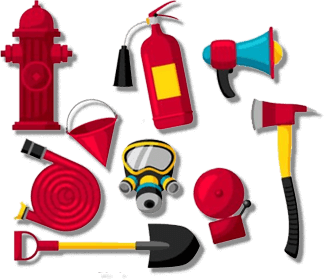
For decades, fire safety was mainly
focused on physical equipment such as:
●
Fire extinguishers
●
Smoke detectors
●
Hydrant systems
●
Sprinklers
●
Alarm systems
While these systems remain important,
modern emergencies require much more than equipment alone.
Today’s buildings and industries need:
●
Faster communication
●
Organized emergency coordination
●
Real-time support access
●
Verified vendor networks
●
Smart maintenance systems
●
Digital emergency preparedness
This shift is driving the future of fire
safety toward digital registration and connected fire safety ecosystems.

Many properties still manage fire safety
through:
●
Paper records
●
Manual vendor tracking
●
Unorganized emergency contacts
●
Physical maintenance logs
●
Delayed communication systems
During emergencies, these traditional
methods often create:
●
Confusion
●
Delayed response
●
Vendor accessibility issues
●
Poor emergency coordination
●
Maintenance gaps
As infrastructure becomes smarter, safety
management must evolve as well.
Digital fire safety registration is the
process of organizing fire safety support, maintenance systems, vendor
networks, emergency communication, and compliance coordination through
digitally connected platforms.
Instead of relying on disconnected
systems, businesses and properties can maintain organized fire safety
ecosystems with:
●
Verified service providers
●
Emergency contact accessibility
●
Maintenance tracking
●
Faster communication
●
Centralized safety management
This creates stronger preparedness before
emergencies occur.
Modern buildings today contain:
●
High electrical loads
●
Data centers
●
HVAC systems
●
Industrial machinery
●
Smart automation networks
●
Large occupancy environments
These systems increase operational
efficiency but also increase fire risks.
Traditional fire safety methods struggle
to manage these growing complexities effectively.
Digital registration systems help
simplify and organize safety management for modern infrastructure.
Old systems often react after emergencies
happen.
Digital fire safety systems focus on:
●
Prevention
●
Monitoring
●
Faster communication
●
Maintenance management
●
Preparedness planning
This transformation is helping India move
toward safer and more organized emergency management systems.

Why
Digital Registration Is Becoming Essential for Modern Buildings
One of the biggest advantages of digital
fire safety registration is faster access to emergency support systems.
During emergencies, delays often happen
because:
●
Contacts are unavailable
●
Vendors cannot be reached quickly
●
Maintenance teams are disconnected
●
Communication systems fail
Digital ecosystems improve emergency
coordination by organizing support systems in advance.
This helps:
●
Reduce panic
●
Improve response speed
●
Protect occupants
●
Minimize damage
2.
Organized Fire Safety Management
Modern properties manage multiple safety
systems including:
●
Alarms
●
Extinguishers
●
Hydrants
●
Sprinklers
●
Emergency exits
●
Compliance records
Managing these systems manually becomes
difficult over time.
Digital registration systems help
organize:
●
Maintenance schedules
●
Vendor coordination
●
Inspection records
●
Emergency communication
●
Compliance tracking
This creates more reliable and efficient
fire safety operations.
3.
Better Maintenance Tracking
Many fire systems fail because
maintenance gets delayed or ignored.
Digital fire safety platforms help
properties track:
●
Extinguisher servicing
●
Alarm inspections
●
Hydrant testing
●
AMC schedules
●
Equipment performance
Automated tracking reduces maintenance
gaps and improves system reliability.
4.
Improved Vendor Connectivity
Finding verified fire safety vendors
during emergencies can be extremely difficult.
Digital ecosystems help buildings connect
with:
●
Fire safety technicians
●
Maintenance providers
●
Emergency support teams
●
Compliance consultants
●
Equipment suppliers
This reduces dependency on random or
outdated contact systems.
5.
Stronger Compliance Readiness
Compliance management becomes easier when
records and support systems are digitally organized.
Property owners can manage:
●
Inspection schedules
●
Maintenance documentation
●
Service histories
●
Safety reports
●
Vendor communication
This improves operational transparency
and preparedness.

How
Digital Fire Safety Is Transforming Different Industries
Factories face high fire risks because
of:
●
Heavy machinery
●
Electrical systems
●
Chemical storage
●
Heat-generating operations
Digital fire safety systems help
industries:
●
Track maintenance efficiently
●
Monitor equipment conditions
●
Coordinate emergency support
faster
●
Improve compliance management
Prepared factories reduce downtime and
improve worker safety.
Corporate
Offices
Modern offices depend on:
●
Electrical infrastructure
●
Data servers
●
Smart devices
●
Air-conditioning systems
Digital fire safety helps offices:
●
Improve emergency communication
●
Organize safety records
●
Track inspections
●
Coordinate evacuation systems
This improves operational continuity
during emergencies.
Residential
Societies
Residential buildings require organized
fire safety systems to protect:
●
Families
●
Children
●
Senior citizens
●
Visitors
Digital registration helps societies:
●
Access emergency support quickly
●
Manage hydrant maintenance
●
Track extinguisher servicing
●
Improve community preparedness
Hospitals
& Healthcare Facilities
Healthcare environments require
uninterrupted emergency readiness.
Digital fire safety systems help
hospitals:
●
Monitor alarms continuously
●
Improve evacuation coordination
●
Maintain emergency systems
efficiently
●
Reduce response delays
Shopping
Malls & Public Spaces
Crowded public spaces need highly
organized emergency management systems.
Digital solutions help:
●
Improve crowd evacuation
●
Monitor fire alerts in real-time
●
Coordinate emergency response
teams
●
Reduce confusion during
emergencies
Modern fire safety is no longer only
about installing equipment.
It is about:
●
Connectivity
●
Accessibility
●
Real-time support
●
Digital coordination
●
Organized communication
Platforms like Buzaao are helping support
this transformation by simplifying fire safety connectivity and improving
emergency preparedness systems across industries.

The
Future of Fire Safety Will Belong to Smart Preparedness
India’s future infrastructure will depend
heavily on smarter safety systems.
As buildings become more advanced, fire
safety management must also evolve beyond traditional methods.
The next generation of fire safety will
focus on:
●
Digital registration
●
Smart monitoring
●
Connected emergency systems
●
Real-time communication
●
Predictive maintenance
●
Organized support ecosystems
Prepared properties perform better
because they already have:
●
Organized emergency systems
●
Verified support networks
●
Maintenance coordination
●
Faster communication
●
Accessible safety records
This reduces chaos during emergencies and
improves overall preparedness.
Quick communication reduces response
delays.
Digital tracking improves maintenance
consistency.
Prepared systems minimize business
disruption.
Organized records simplify inspections
and audits.
Technology increases awareness and
preparedness across organizations.
Today, fire safety directly affects:
●
Business continuity
●
Employee protection
●
Customer trust
●
Insurance confidence
●
Brand reputation
●
Operational stability
Businesses that invest in smarter safety
systems today will remain stronger tomorrow.
The future of fire safety is not only
about buildings.
It is about creating:
●
Safer workplaces
●
Safer industries
●
Safer homes
●
Safer public spaces
●
Safer communities
Digital fire safety ecosystems help make
this vision possible.
The future of fire safety belongs to
preparedness powered by technology.
Buildings that continue depending only on
outdated manual systems may struggle during emergencies.
But properties that adopt digital fire
safety registration and connected support ecosystems will remain:
●
Faster
●
Safer
●
Smarter
●
Better prepared
Because in the future, fire safety will
not be measured only by the equipment a building has.
It will be measured by how intelligently
and efficiently that building can respond when every second matters.