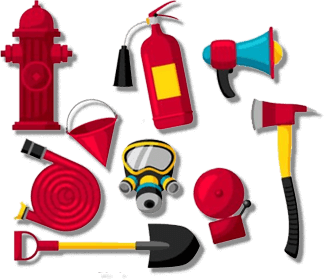
Most fire accidents begin with something small. A spark from faulty wiring.
An overloaded electrical panel. A neglected fire alarm.
An expired
extinguisher.
A blocked emergency
exit.
At first, these issues may seem minor. But within minutes, they can turn into devastating disasters that affect lives,
businesses, families, and entire properties.
Many property
owners assume:
●
“It won’t happen to us.”
●
“Our building already has extinguishers.”
●
“We’ll manage if something happens.”
Unfortunately, fire emergencies do not give warnings or second chances.
When a premises
is not fire-ready, the consequences can be severe — financially, legally, operationally, and emotionally.
Many buildings install:
●
Fire extinguishers
●
Smoke detectors
●
Hydrant systems
●
Alarm systems
●
Sprinklers
But true fire readiness also includes:
●
Regular maintenance
●
Emergency coordination
●
Staff preparedness
●
Vendor accessibility
●
Compliance management
●
Fast emergency response systems
Without these elements,
even installed systems
may fail during emergencies.

A fire incident can lead to:
●
Loss of human life
●
Permanent injuries
●
Business shutdowns
●
Equipment destruction
●
Legal penalties
●
Operational downtime
●
Reputation damage
●
Emotional trauma
For many businesses, recovering from a major fire becomes extremely difficult. Some never reopen again.
Modern buildings are becoming more dependent on:
●
Electrical systems
●
Data servers
●
Machinery
●
HVAC systems
●
Chemical storage
●
High occupancy environments
This increases the possibility of:
●
Electrical fires
●
Equipment overheating
●
Short circuits
●
Storage-related hazards
Without proactive fire safety management, these risks grow silently over time.
Prepared properties:
●
Identify risks early
●
Maintain systems regularly
●
Train occupants
●
Stay connected with emergency support
●
Respond faster during emergencies
Unprepared premises often realize the importance of fire safety only after disaster strikes.
The biggest consequence of poor fire preparedness is the risk to human life.
In many fire incidents:
●
People get trapped
●
Evacuation becomes
difficult
●
Panic spreads quickly
●
Smoke inhalation causes severe
injuries
Blocked exits, non-working alarms, and delayed
emergency response increase
casualties significantly.
No financial recovery can replace
a human life.
Fire spreads
rapidly.
Within minutes, flames can destroy:
●
Office interiors
●
Machinery
●
Inventory
●
Documents
●
Furniture
●
Electrical systems
●
Infrastructure
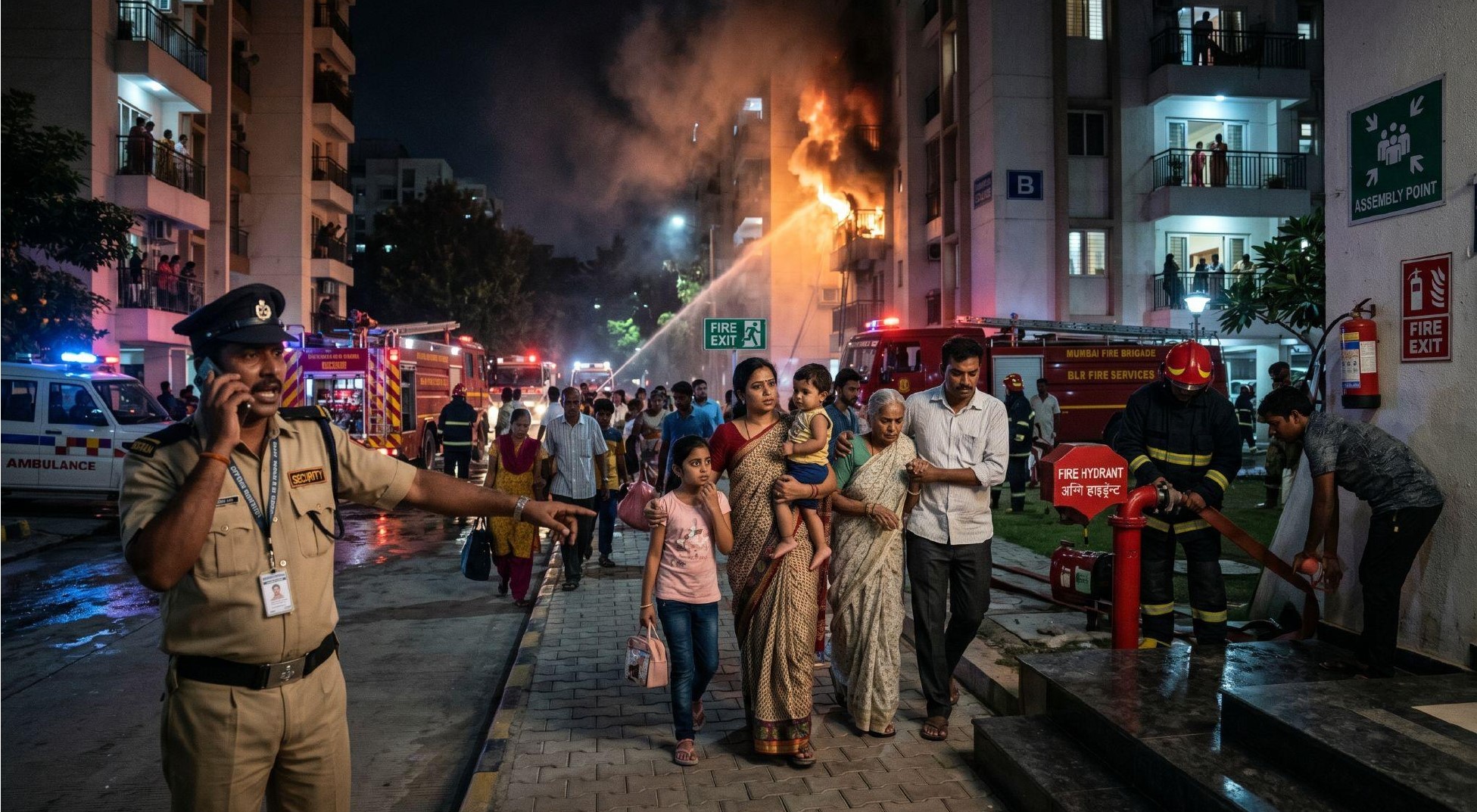
A major fire can stop operations completely. Businesses may face:
●
Production delays
●
Data loss
●
Supply chain disruption
●
Customer dissatisfaction
●
Revenue loss
Some companies require months or years to recover.
Small businesses often struggle the most because
they lack backup systems and emergency
planning.
Properties that fail to maintain fire safety standards may face:
●
Legal notices
●
Penalties
●
Operational restrictions
●
Insurance complications
●
Investigation procedures
Poor documentation and ignored maintenance records create additional liabilities after emergencies.
Fire accidents affect
more than buildings. They affect:
●
Employees
●
Families
●
Residents
●
Workers
●
Customers
People may experience:
●
Trauma
●
Fear
●
Anxiety
●
Loss of confidence
For residential societies, the emotional impact
can last for years.
Many premises
fail during emergencies because they:
●
Cannot contact technicians quickly
●
Do not know emergency procedures
●
Have expired equipment
●
Lack maintenance support
●
Depend on outdated contact
systems
Preparedness is what reduces panic and improves
response.
Many buildings install
systems but fail to maintain
them properly. Common issues
include:
●
Empty extinguishers
●
Faulty alarms
●
Broken hydrants
●
Non-functional sprinklers
●
Damaged emergency lighting
Equipment failure
during emergencies creates
dangerous situations.
During emergencies, confusion spreads quickly when buildings do not have organized support systems.
Delays happen because:
●
Emergency contacts
are unavailable
●
Vendors cannot be reached
quickly
●
Technical support
is delayed
●
Communication breaks
down
Modern fire safety
requires organized emergency connectivity.
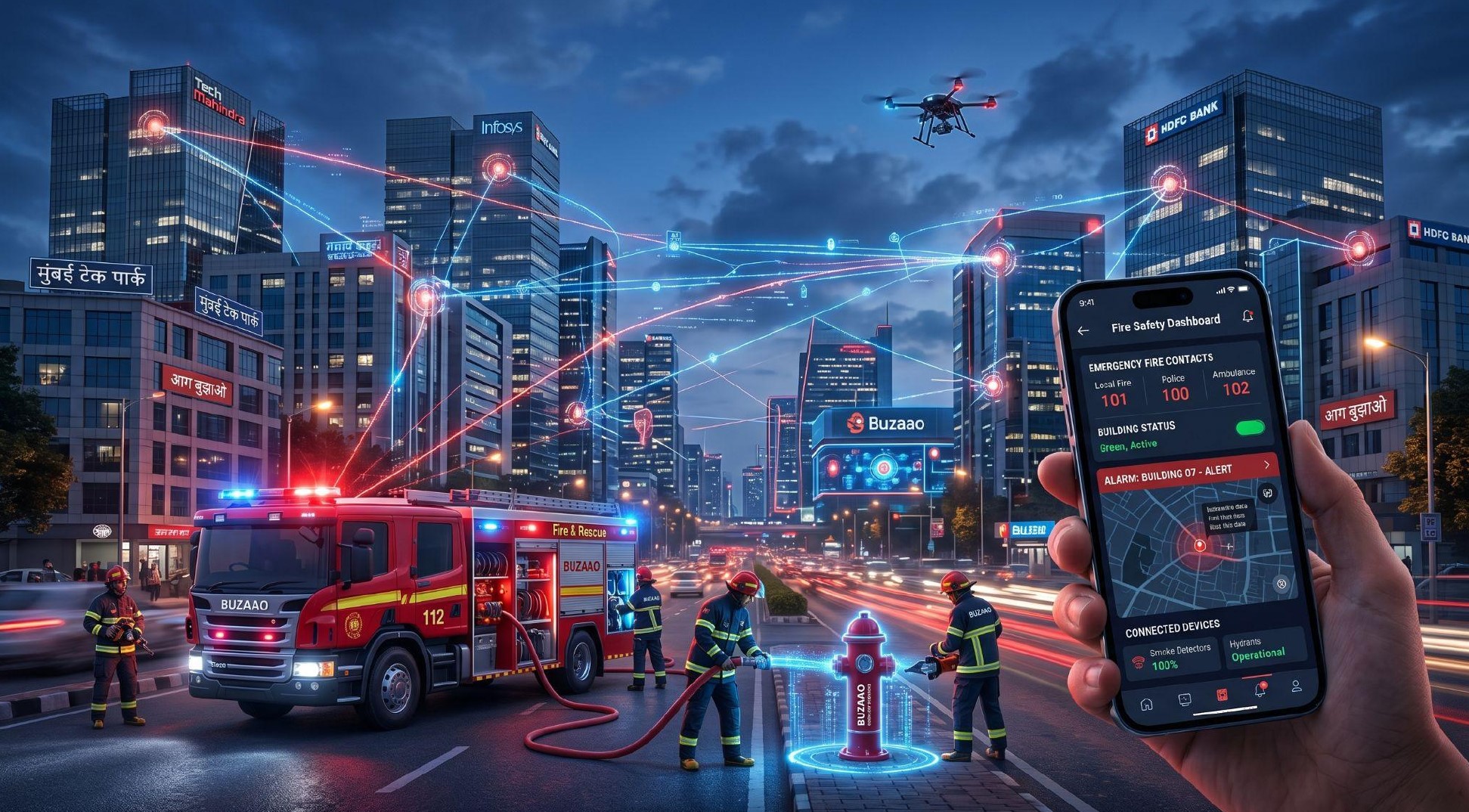
Many employees and residents do not know:
●
How to evacuate safely
●
How to use extinguishers
●
Emergency reporting procedures
●
Assembly point protocols
Untrained people panic faster during emergencies.
Some property owners
believe that simply
installing extinguishers guarantees safety. But without:
●
Inspections
●
Maintenance
●
Drills
●
Vendor support
●
Emergency planning
Fire systems may not work effectively when needed most.
Small fire hazards often go unnoticed:
●
Electrical overloads
●
Wiring damage
●
Storage issues
●
Equipment overheating
●
Blocked exits
Regular inspections help detect these
problems early.
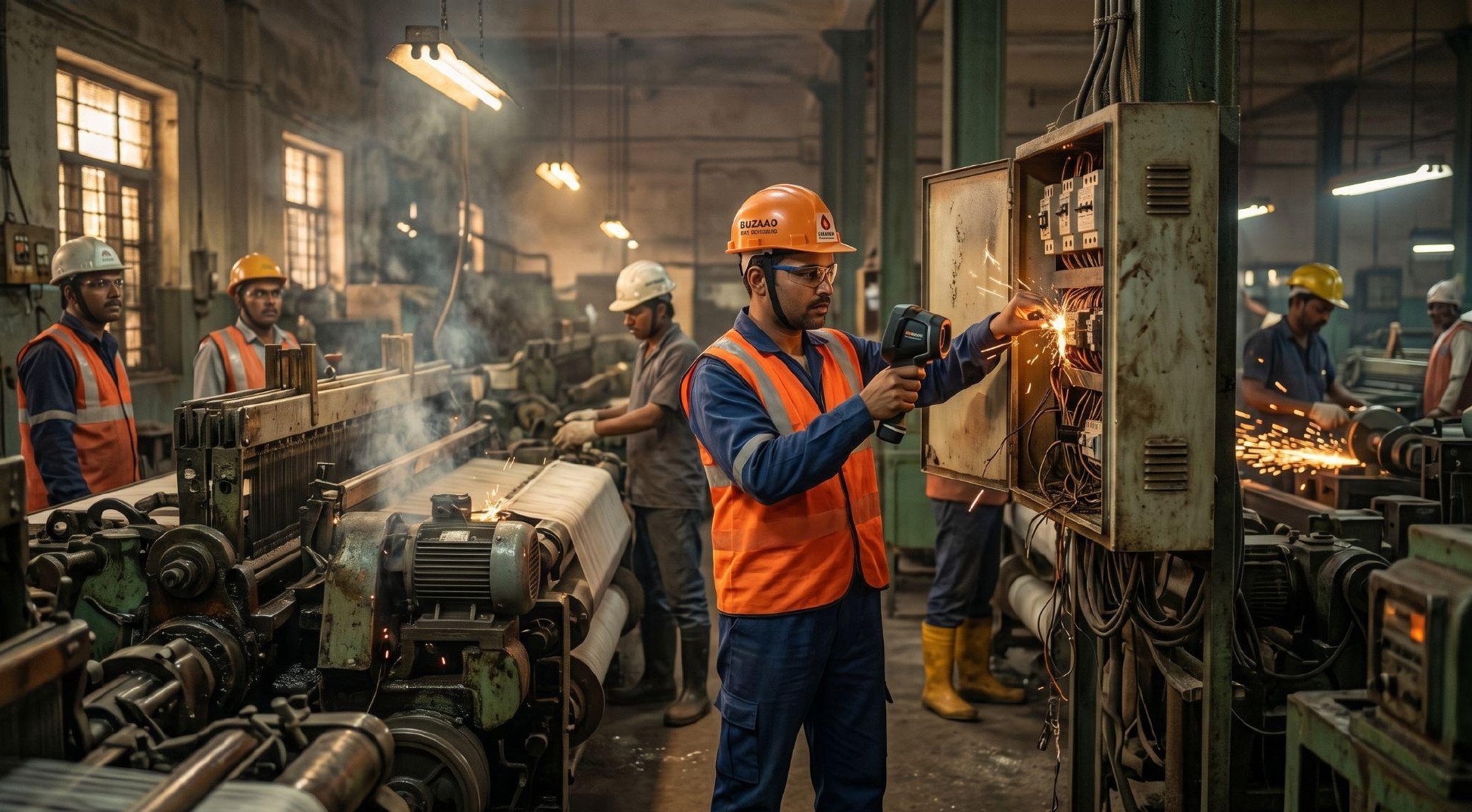
Modern buildings
require:
●
Faster emergency communication
●
Organized vendor
access
●
Verified maintenance support
●
Digital fire safety systems
●
Continuous preparedness
Platforms
like Buzaao help simplify fire safety management by improving connectivity between premises, fire safety professionals, maintenance
providers, and emergency support services.
People trust buildings that prioritize safety. Prepared premises
create confidence among:
●
Employees
●
Residents
●
Customers
●
Visitors
●
Investors
Safety management directly
affects reputation and credibility.
When emergencies happen, the difference becomes clear immediately.
●
Panic and confusion
●
Delayed response
●
Equipment failure
●
Higher damage
●
Greater losses
●
Operational shutdown
●
Legal complications
●
Faster emergency coordination
●
Functional fire systems
●
Trained occupants
●
Organized vendor
support
●
Better evacuation management
●
Reduced damage Preparation changes
outcomes.
The biggest mistake
property owners make is waiting
until after an incident to improve safety systems.
Fire preparedness should include:
●
Regular inspections
●
Maintenance planning
●
Emergency coordination
●
Vendor management
●
Safety training
●
Compliance tracking
The earlier risks
are managed, the safer the property becomes.
Whether it is:
●
A factory
●
An office
●
A shopping mall
●
A residential society
●
A hotel
●
A hospital
●
A warehouse
Every premises has a responsibility to protect people
and property. Fire safety is
not just an operational requirement.
It is a commitment to human safety.
A fire emergency may last only minutes.
But its consequences can affect businesses and families for years.
The question is not whether your premises has fire equipment.
The real question is:
Preparedness is always less expensive
than recovery. And prevention
is always stronger than regret.